Create a Sense of Place with your Garden Design using Local Hardscaping Materials
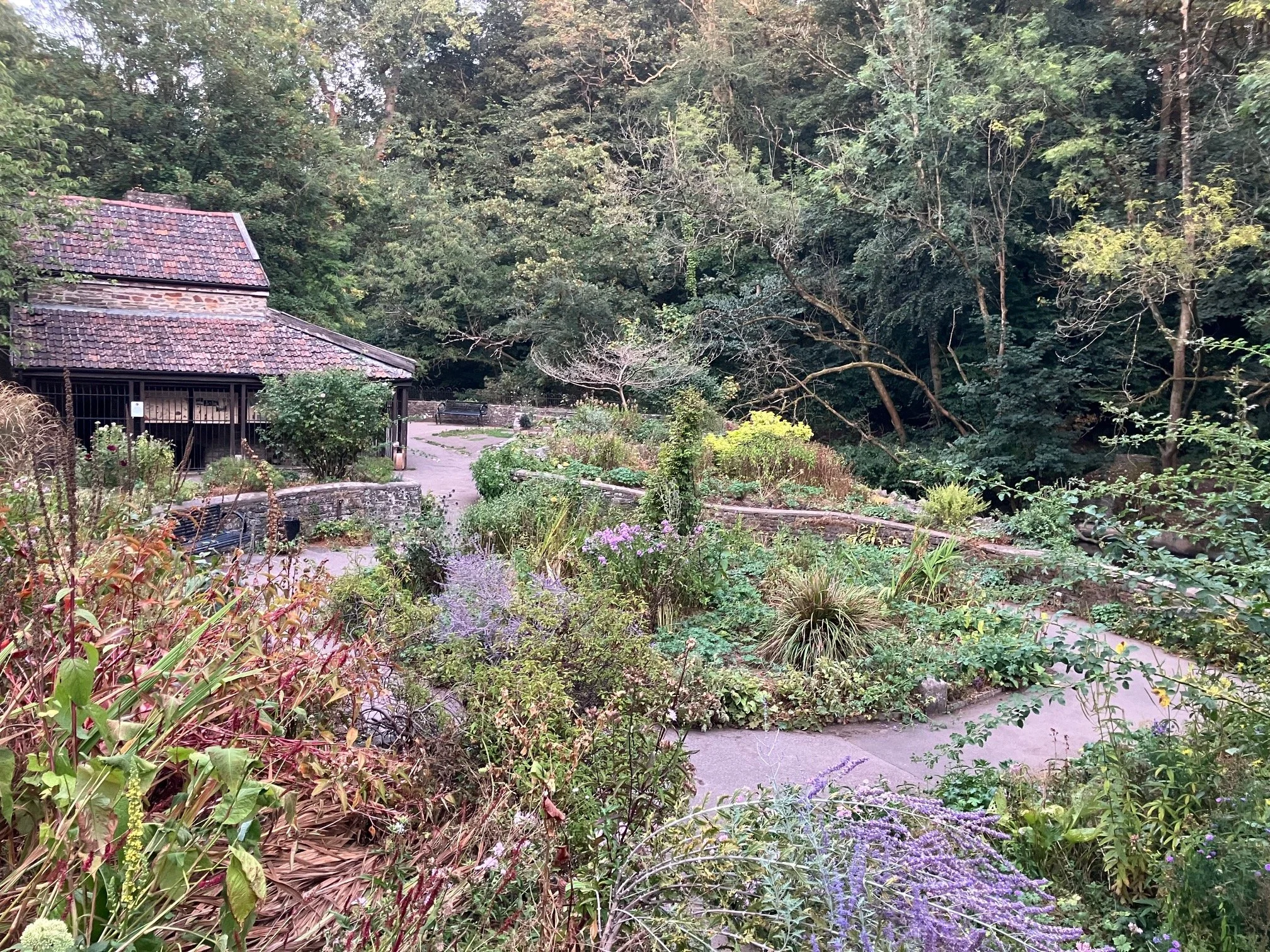
Snuff Mills, Bristol
On a recent walk through Bristol’s Snuff Mills, I noticed how the weathered Pennant stone along the river anchored the landscape in its local history. It was a clear reminder that the most successful gardens do not need to rely on imported materials, but can use local products to ground a design and establish an authentic sense of place.
Unlike uniform imported sandstone, Pennant stone is rich in minerals like feldspar and mica. It is deeply embedded in the architectural identity of Bristol and has recently experienced a surge in popularity within contemporary landscape design. The material's durability, moisture resistance, and diverse colour palette - ranging from blue grey to plum red - bridges traditional regional aesthetics with modern outdoor architecture.
Why Use Regional Materials?
Ecological Harmony: Local stone and timber allow native mosses, lichens, and plants to colonise surfaces naturally, boosting biodiversity.
Visual Continuity: Matching local architecture makes a garden feel like a natural extension of the surrounding landscape.
Lower Carbon Footprint: Sourcing materials nearby reduces transportation emissions and supports local economies.
Ways to Apply Regional Hardscaping To Your New Garden
Local Stone Paving and Walling: Choose stone native to your wider region (such as Oolitic limestone in the Cotswolds or local Ham stone and Blue Lias in Somerset) for patios, coping, and retaining walls.
Aggregates: Use local gravel, shingle, or crushed rock for paths and driveways.
Regional Craft and Timber: Integrate local woodwork traditions, like coppiced hazel or chestnut hurdles, for fencing and vertical boundaries that curve with the land.
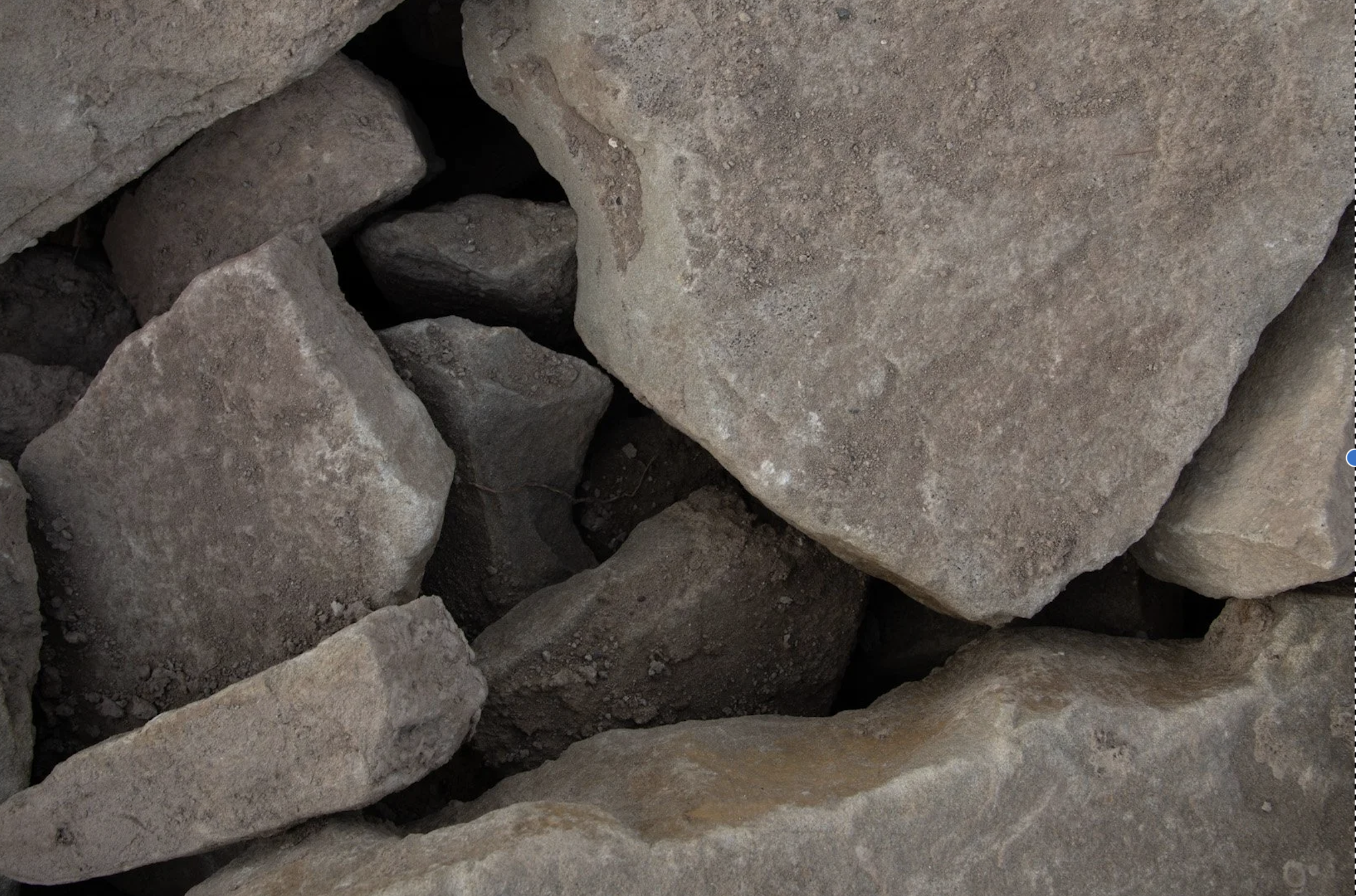
Pennant Stone
Ready to explore creating a garden using local materials?
If you're planning a new garden, thoughtful use of hardscaping can turn your outdoor space into somewhere that looks beautiful and feels rooted in the landscape.
Get in touch for your complimentary consultation to discuss how local materials could become part of your garden design.