A Sensory Approach to Garden Design: Part 1 – Scent
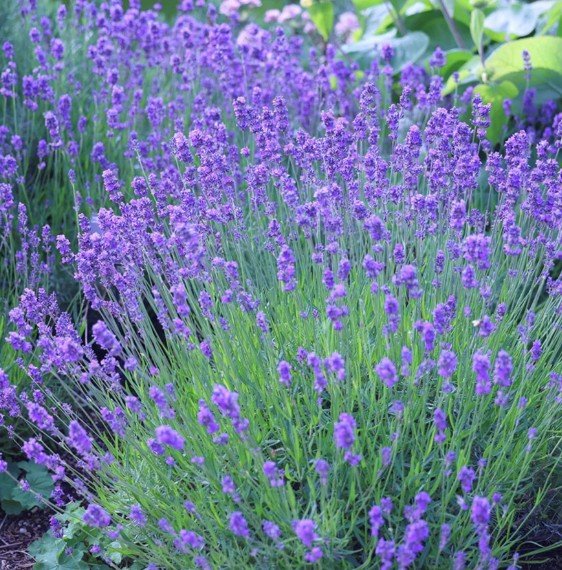
Scent matters in garden design because it adds an invisible, emotional layer to the garden. Unlike colour or form, fragrance can change how a space feels, without being seen.
Creates atmosphere: Fragrant plants can make a garden feel calming, romantic, fresh, or energising.
Triggers memories and emotions: Smell is strongly connected to memory, so scents such as lavender, jasmine, or roses can evoke particular places or experiences.
Encourages people to linger: Positioning scented plants near seating, paths, entrances, or windows invites people to stop and experience the garden.
Adds seasonal interest: Different plants release their fragrance at different times of year, helping the garden evolve through the seasons.
Changes throughout the day: Some flowers are most fragrant in the evening, while others release scent in warm sunshine or after rain. This can influence how a garden is experienced at different times.
Connects people with nature: Fragrance encourages a more sensory experience, making the garden something to smell as well as see, touch, and hear.
Supports wildlife: Many fragrant flowers attract pollinators such as bees, butterflies, and moths, adding ecological value.
Top Tip - Take a little time in August to prune back your garden’s lavender using the 8-8-8 rule (8 inches of growth on the 8th day of the 8th month). This prevents leggy growth next season.
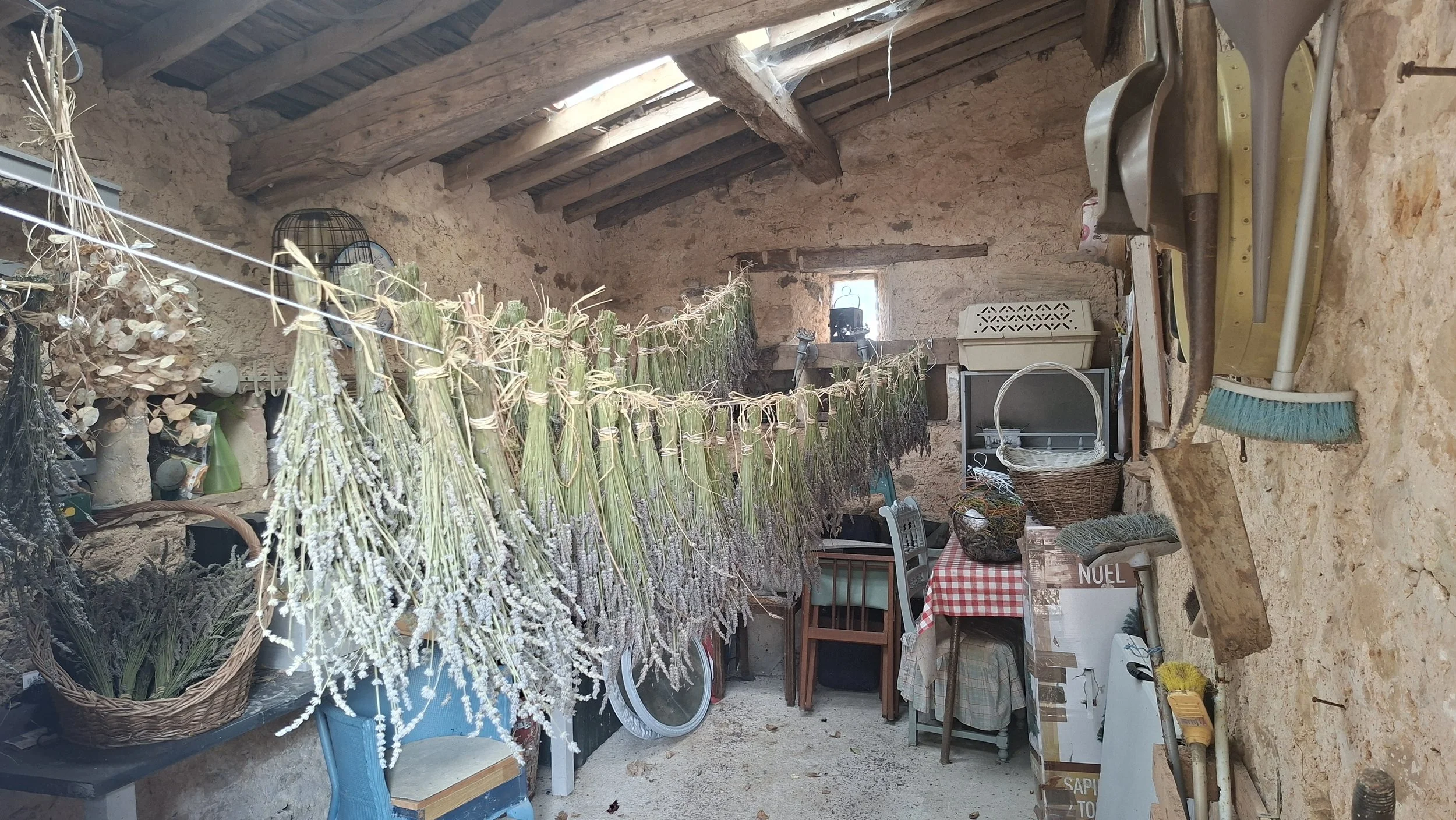
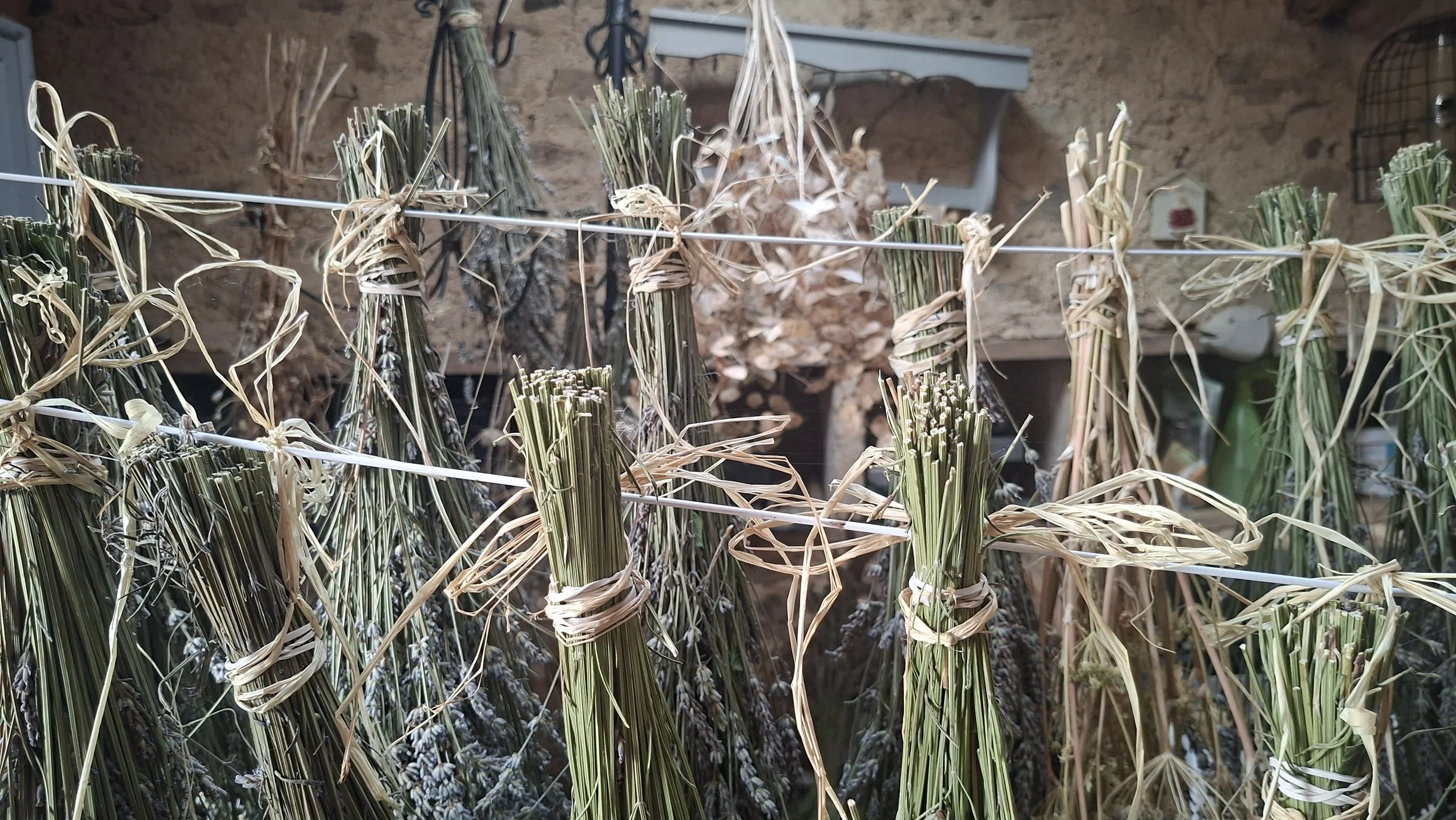
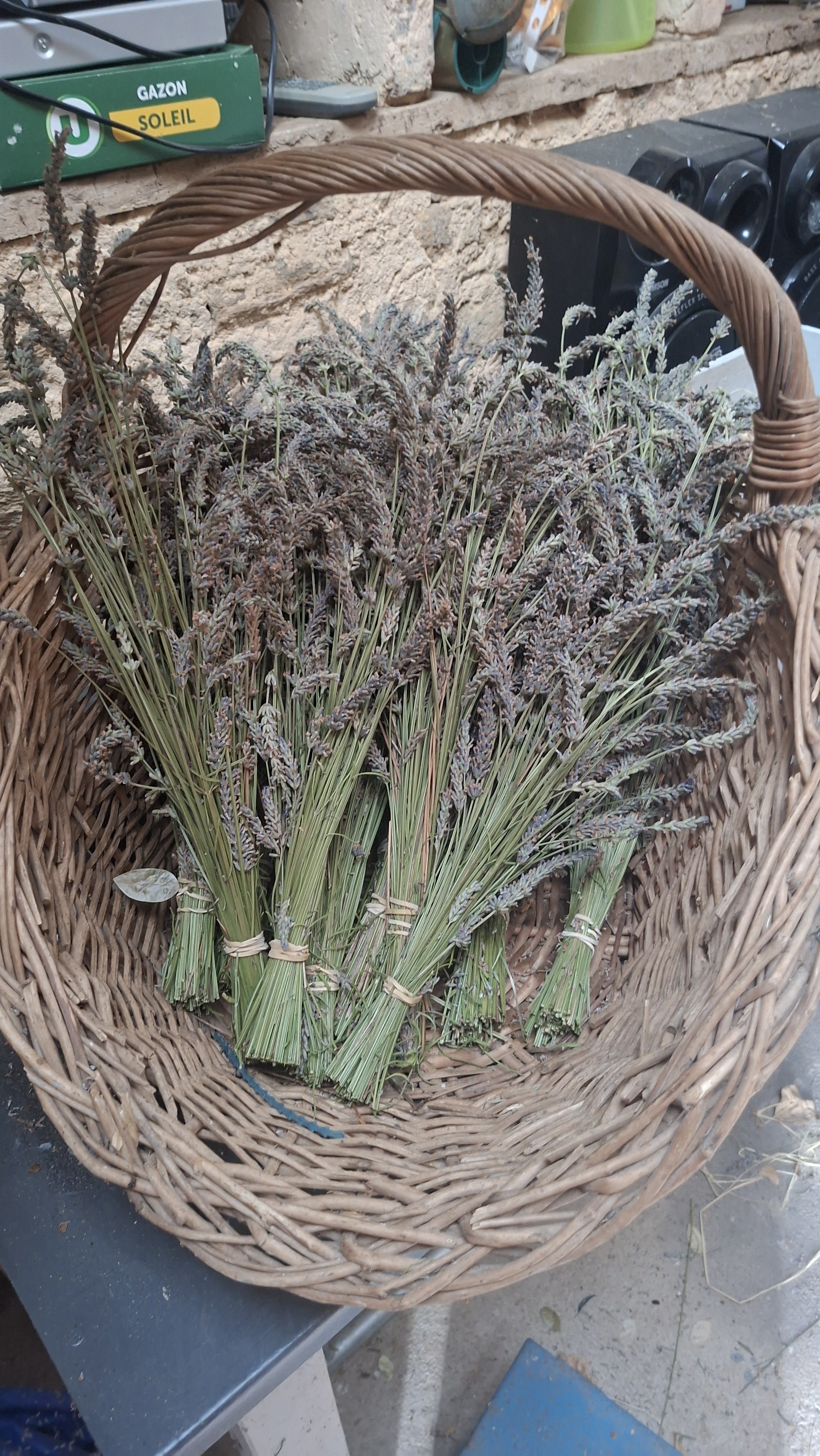
Dry the lavender upside down in bundles for beautiful scent in your home through the darker months, to remind you of summer.