When we think about garden design, we often begin with what we can see — colour, form, structure and seasonal interest. But a truly memorable garden engages much more than our eyes.
Touch is one of the most overlooked senses in garden design, yet it can completely change the way we experience an outdoor space.
The right planting can encourage us to slow down, reach out, run our hands through foliage and notice the garden in a much more personal way. Whether you are creating a family garden, a peaceful retreat or a contemporary outdoor space, choosing plants with tactile qualities can add another layer of depth and enjoyment.
Why Does Touch Matter in Garden Design?
A garden isn't simply something to look at. It is a space to experience.
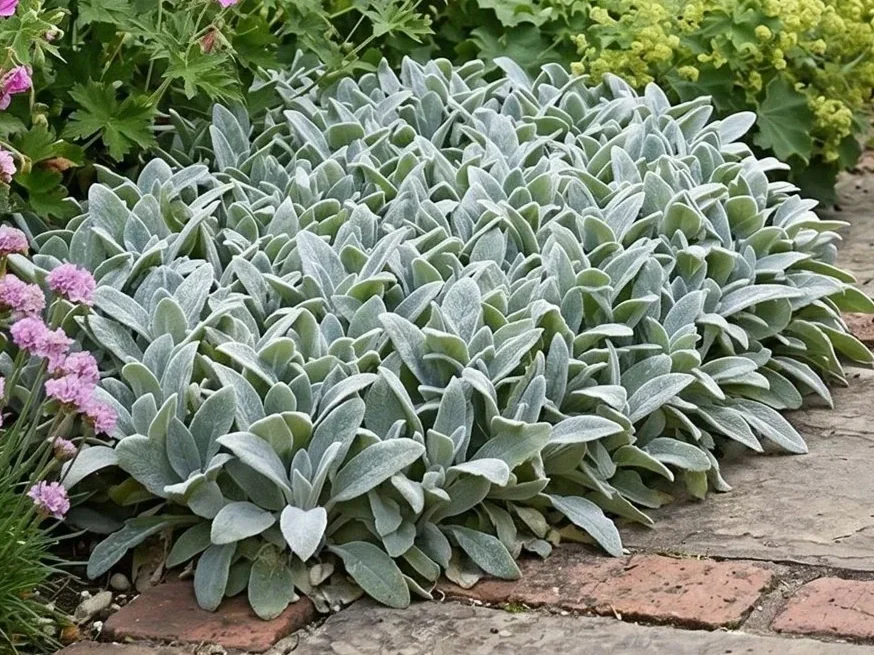
Think about the feeling of brushing your hand over the soft, velvety leaves of lamb's ear, running your fingers through fine ornamental grasses or feeling the textured bark of a mature tree.
These small interactions create memories and make a garden feel more engaging.
Thoughtful tactile planting can create a stronger connection between people and nature, encouraging us to slow down, explore and interact with the garden around us. Different textures also add contrast and variety to a planting scheme, making the garden feel more immersive and interesting. Soft, delicate or textured foliage can provide calming and enjoyable sensory experiences, while plants chosen for their foliage, stems and bark can continue to create interest even when flowers are not in bloom.
Choosing Plants for Their Texture
Just as we carefully combine colours, we can combine textures.
A successful planting scheme might include soft foliage alongside bold, architectural leaves, delicate grasses next to substantial evergreen plants, or interesting bark alongside groundcover.
Soft and Velvety
Plants such as lamb's ear (Stachys byzantina) are wonderful for introducing softness. Its silvery, furry leaves are almost impossible not to touch.
This type of planting works beautifully beside pathways, seating areas and other places where people naturally come close to the plants.
Think: Lamb's ear, Lamb's ear sage, Stipa tenuissima, Moss
Fine and Feathery
Ornamental grasses and ferns provide a completely different tactile experience.
Fine grasses such as Stipa tenuissima create a delicate, flowing texture. Their foliage moves gently in the breeze and can be brushed with the hand as you walk past.
Ferns offer intricate, feathery fronds that bring softness and detail to shady planting areas.
Consider: Ferns, Ornamental grasses, Fennel
Thick, Smooth and Architectural
Large-leaved plants such as Hosta offer another sensory experience. Their substantial leaves can feel smooth, waxy, ribbed or deeply textured depending on the variety.
Combining bold foliage with finer planting creates contrast and prevents a border from feeling flat.
Good examples: Hosta, Bergenia
Textured Bark and Stems
Tactile interest doesn't have to come from leaves.
Trees and shrubs can provide wonderful textures throughout the year. Birch, for example, can introduce peeling, papery bark, while woody herbs such as rosemary offer a combination of firm stems and fine foliage.
This is particularly valuable in winter when flowers and soft foliage may be less prominent.
Consider: Rosemary, Sage, Birch bark
A Garden That Feels Personal
Every client uses their garden differently, which is why tactile planting should be considered as part of the wider design rather than added as an afterthought.
For some, it might mean creating a calming retreat filled with soft foliage and grasses.
For a family, it could mean introducing plants that encourage children to explore and discover.
For an accessible or therapeutic garden, tactile planting can provide another way to interact with nature.
And for a contemporary garden, carefully selected foliage textures can provide sophistication and structure without relying solely on flowers.
So next time you walk through a garden, don't just ask yourself:
"What do I like the look of?"
Ask:
"What would I love to reach out and touch?"
That simple question can lead to planting choices that transform an ordinary garden into a space that feels richer, more engaging and truly connected to the people who use it.
Ready to create a garden you can experience with all your senses?
If you're planning a new garden, thoughtful plant selection can turn your outdoor space into somewhere that looks beautiful, feels wonderful and changes with you throughout the seasons.
Get in touch for your complimentary consultation to discuss how sensory planting could become part of your garden design.