Making Space for Nature: Our Wildlife Friendly Allotment Award
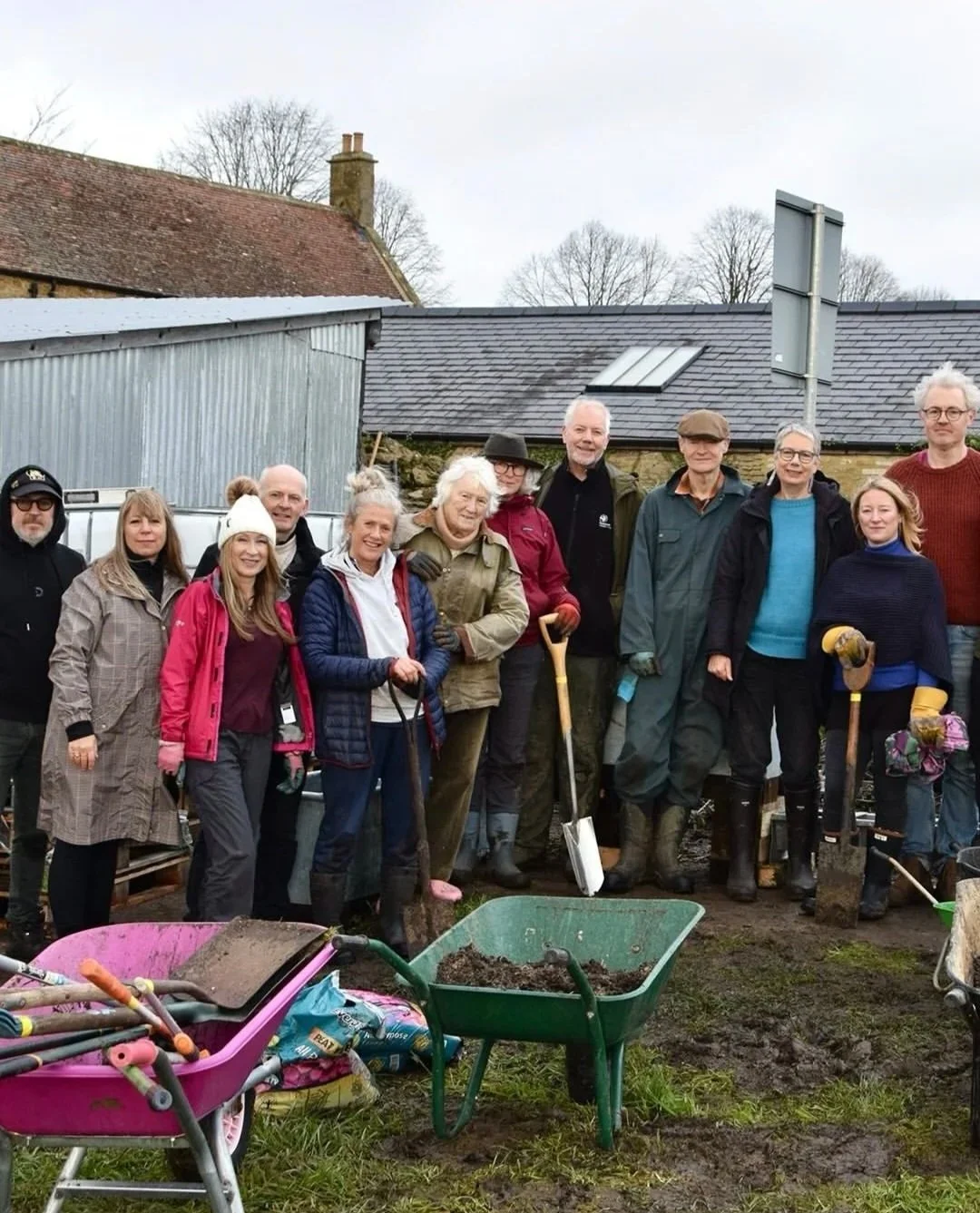
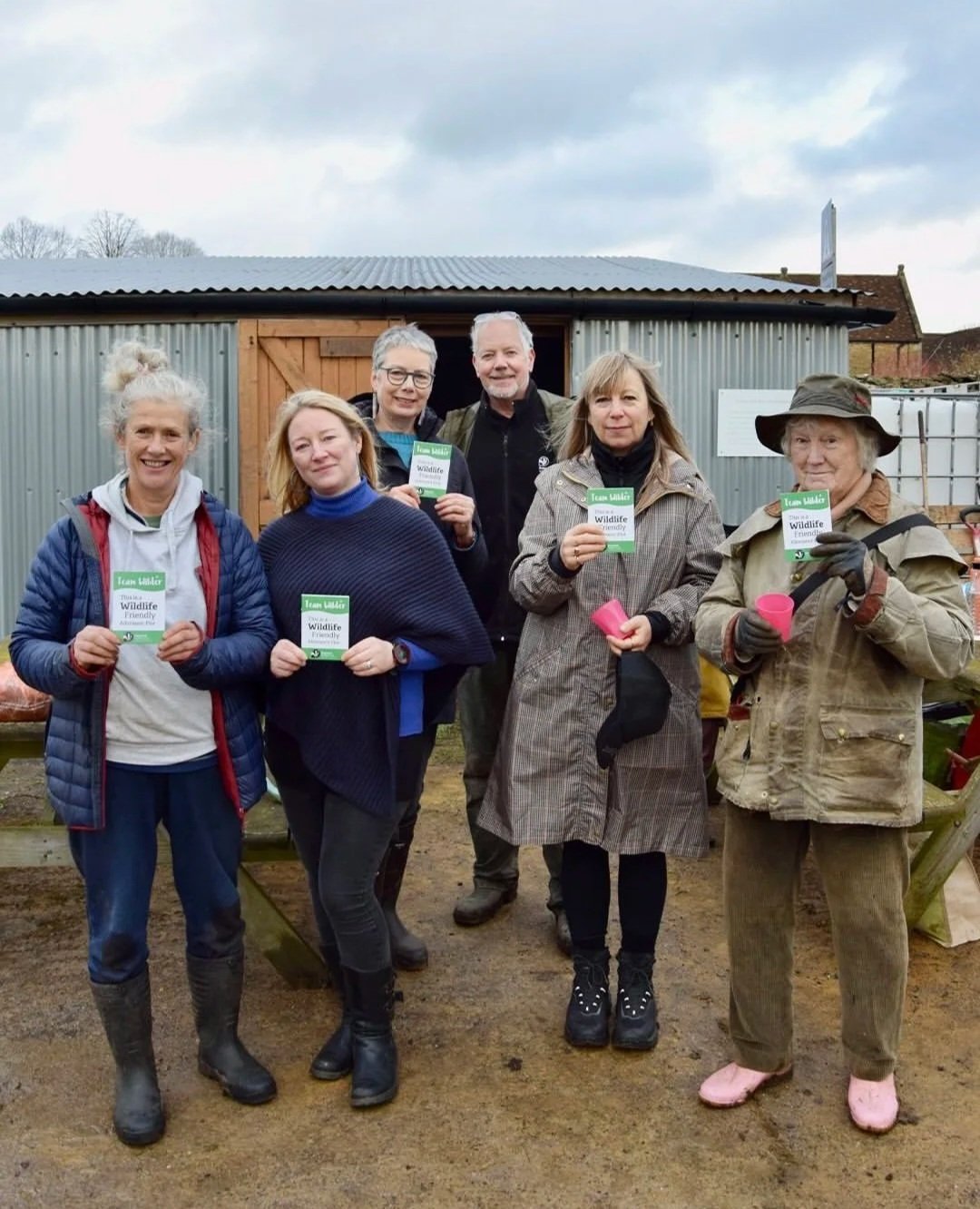
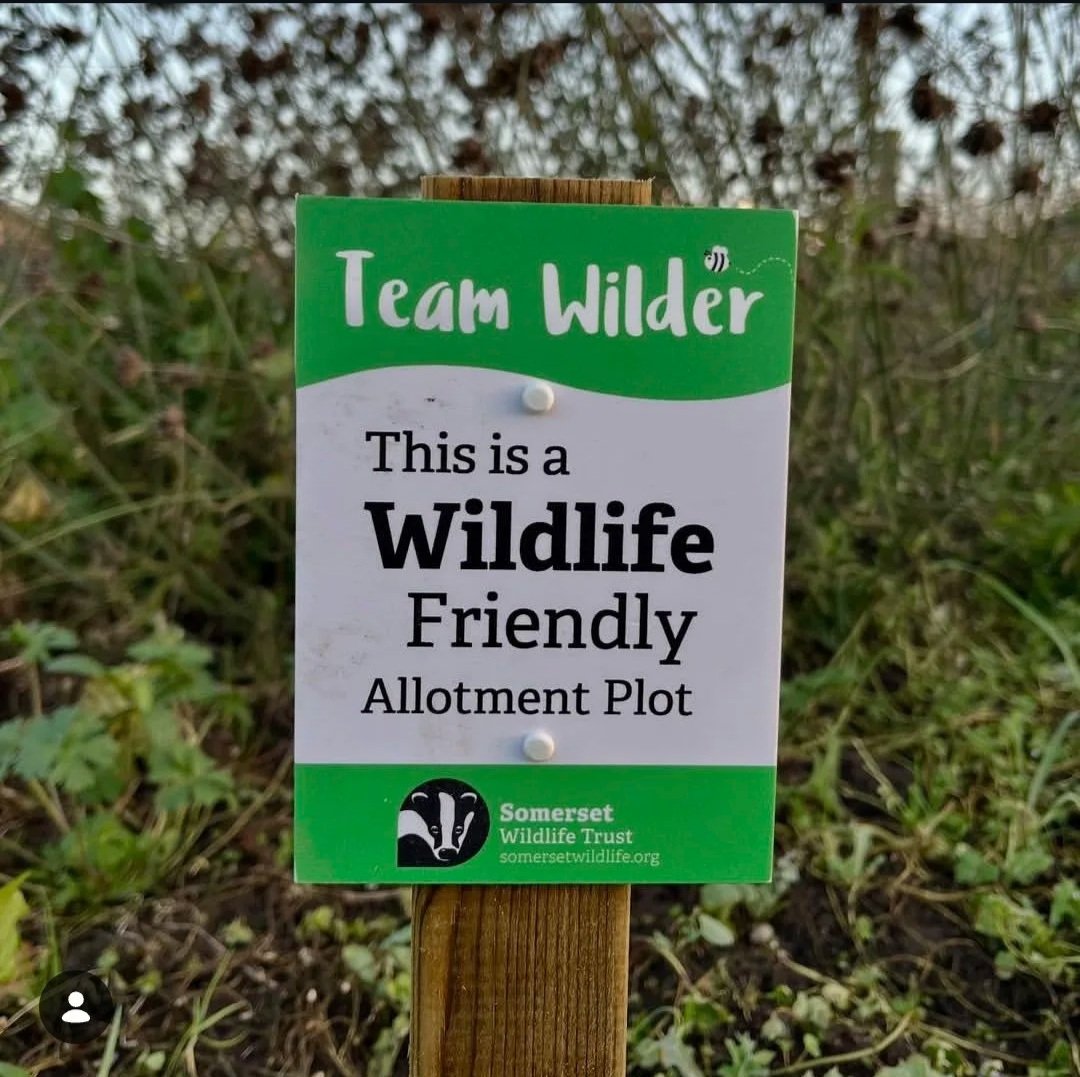
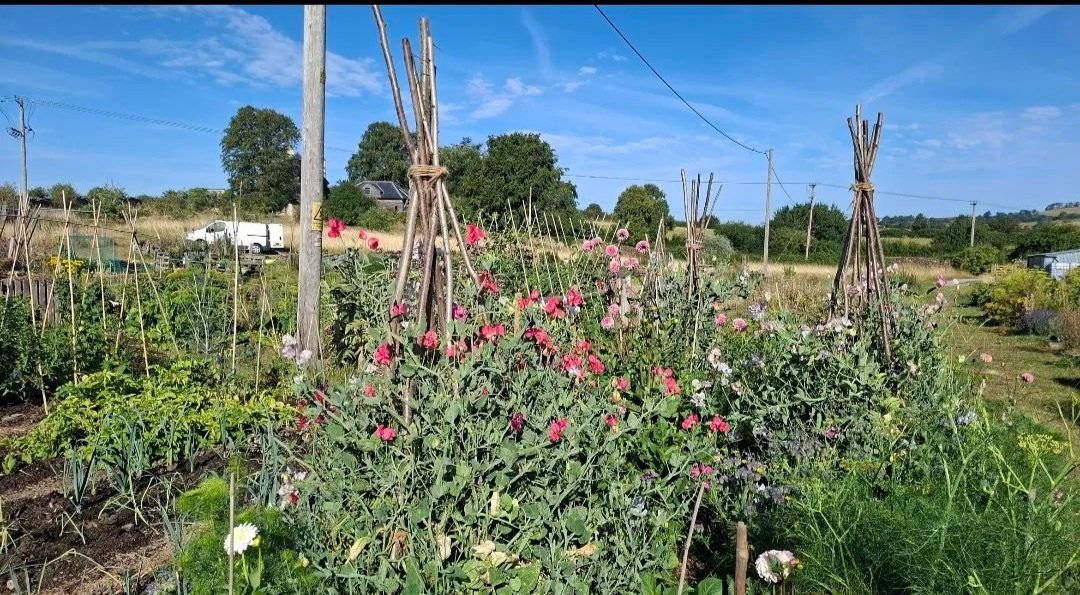
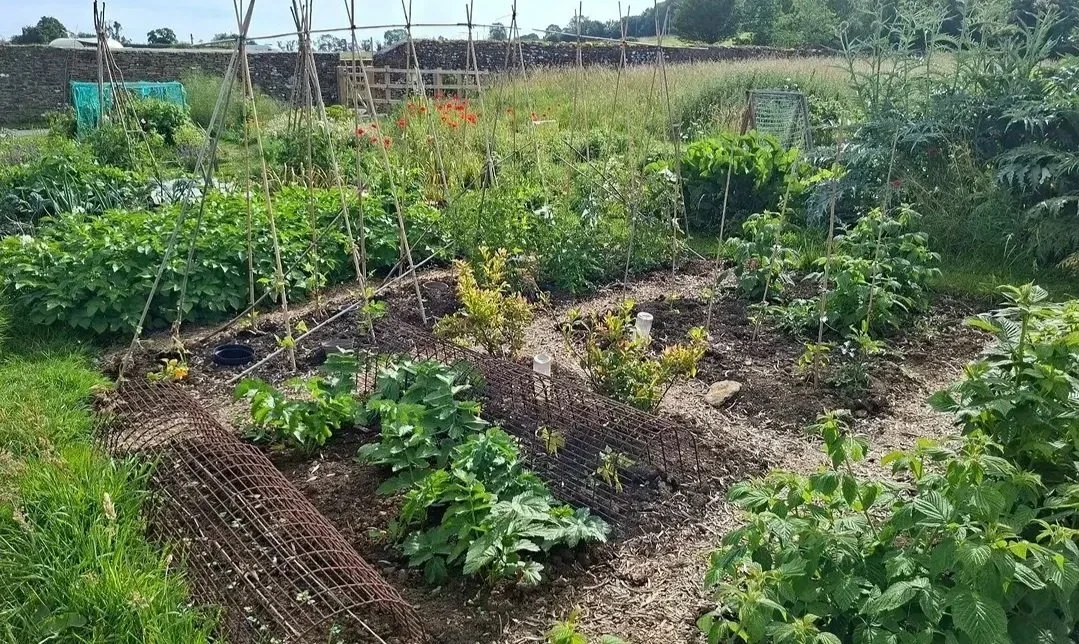
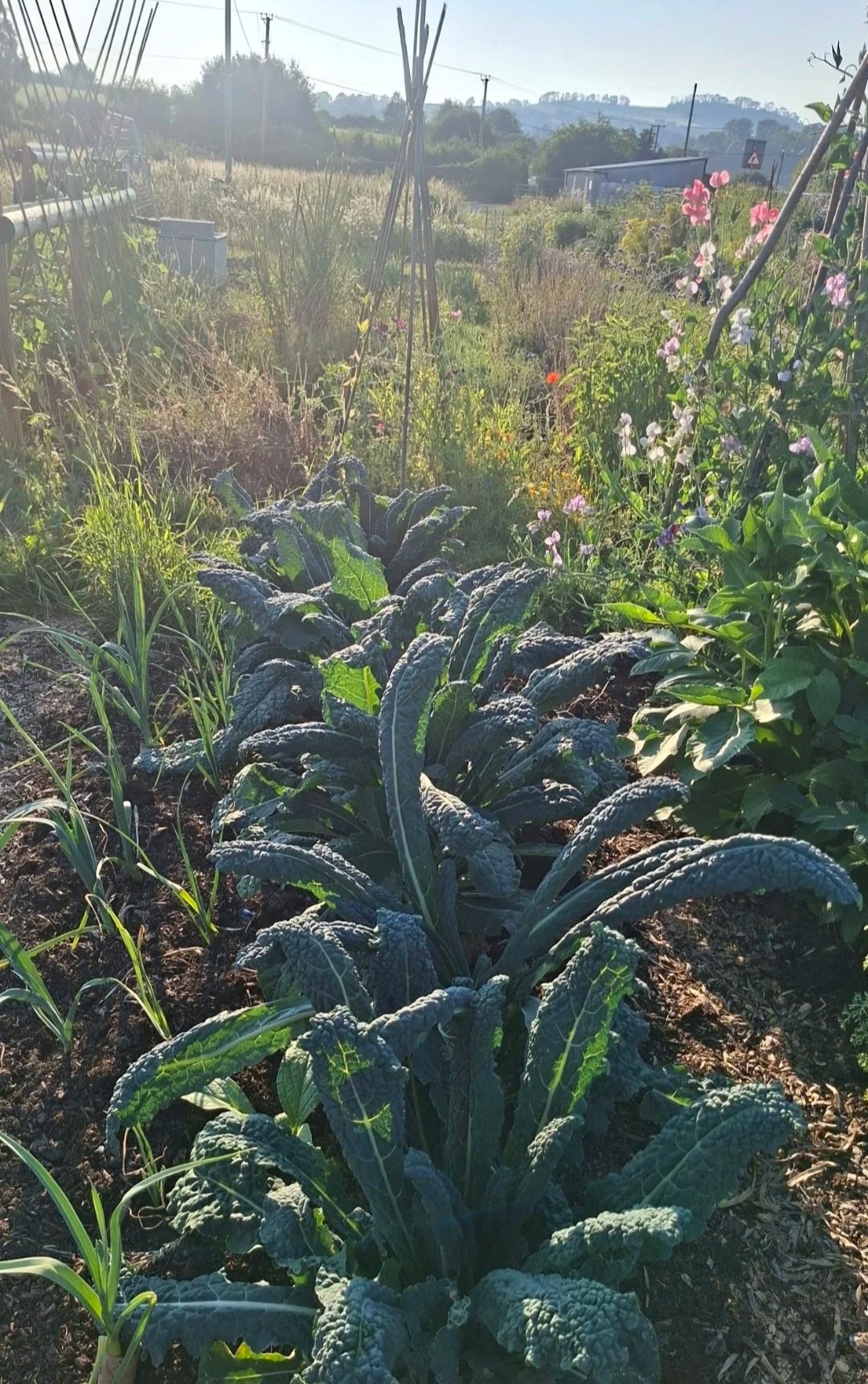
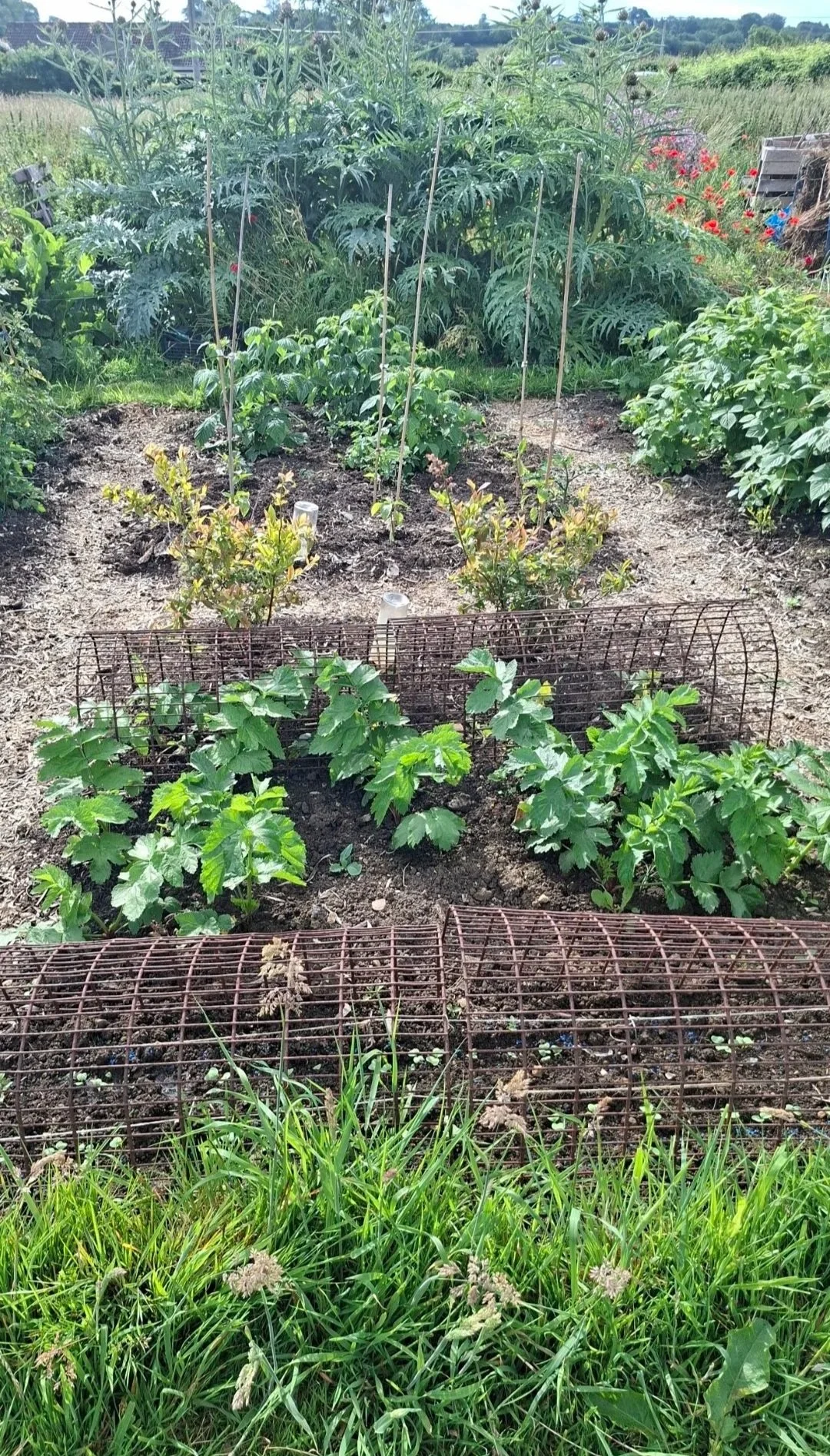
Earlier this year, there was plenty to celebrate at the allotment. Thanks to the dedication of plot holders in creating habitats for wildlife and maintaining the communal spaces of the Durslade Community Garden, 19 allotmenteers qualified for Somerset Wildlife Trust's Wildlife Friendly Allotment Awards. We were thrilled to receive our plaque and are proud to have it on display on our plot, recognising our commitment to making space for nature.
Tips for Creating a Wildlife-Friendly Allotment
You don’t need to choose between growing plenty of fruit and vegetables and making space for wildlife. With a few simple changes, your allotment can become a productive growing space that also provides food, shelter and water for a whole host of garden visitors.
• Don’t worry about keeping everything perfectly tidy. A productive allotment with a few deliberately wild areas is far more valuable to wildlife than a plot that is neat and manicured from edge to edge. Leave a little room for nature to do its thing.
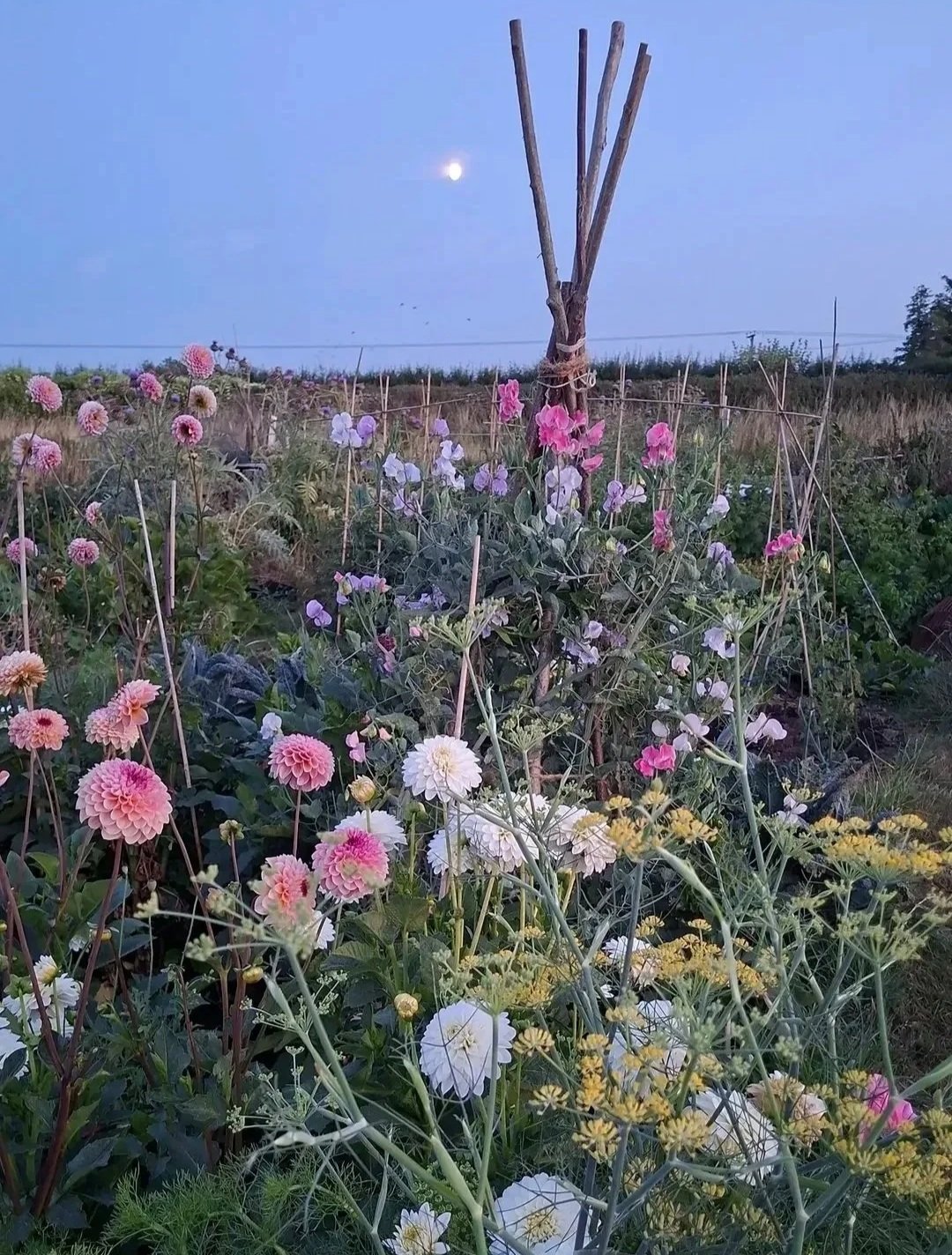
• Make space for pollinators. Aim to give around 10–20% of your allotment over to nectar rich flowers and areas of longer grass. Plants such as borage, calendula, foxglove, knapweed, yarrow, marjoram, red clover, oxeye daisy and lavender are great choices and will attract bees, butterflies and other pollinating insects.
• Create cosy hiding places. Simple piles of logs, branches and stones can provide valuable shelter for insects, beetles, solitary bees, frogs and other small creatures. You don’t need anything fancy — a quiet corner of the plot is all it takes.
• Go easy on chemicals. Try to avoid pesticides, slug pellets and weed killers wherever possible. Instead, use techniques such as crop rotation, companion planting, mulching and adding plenty of organic matter to keep your plants and soil healthy while encouraging beneficial wildlife.
• Leave some winter habitat. Resist the temptation to cut everything back in autumn. Seed heads and hollow plant stems provide food and overwintering places for insects. Leave them standing until early spring, when you can tidy things up as new growth starts.
• Give hedgehogs a helping hand. If your allotment boundary allows it, leave small, ground-level openings so hedgehogs can move between plots. They can be useful allies on the allotment, helping to eat slugs and other invertebrates.
• Provide a source of water. Even something as simple as a shallow dish of clean water can make a difference, particularly during hot, dry weather. If you have the space and your allotment rules allow it, consider adding a small wildlife pond with gently sloping, shallow sides so wildlife can get in and out safely.
The key is to work with nature rather than against it. A few untidy corners, flowering plants and simple wildlife habitats can turn an ordinary allotment into a thriving little ecosystem — without taking away from the space you need to grow your crops.
Our Plot